
Sensor-enabled suprapubic drainage for long-term bladder care.
SupraSense is positioned for patients with sensory dysfunction and long-term suprapubic catheter needs, adding bladder-pressure awareness to drainage management.
Patent application under process Final prototyping
Suprapubic patient problems globally
Long-term suprapubic patients include people with neurogenic bladder, sensory dysfunction, chronic retention and mobility limitations.
Silent blockage risk
Conventional drainage can fail without early warning, leading to retention, overdistension and emergency intervention.
No pressure visibility
Standard suprapubic systems drain urine but do not continuously show bladder pressure trends.
Caregiver burden
Families and nurses often rely on manual checks, delayed symptoms and emergency escalation.
Suprapubic care burden
SupraSense is built for long-term bladder-care settings where conventional suprapubic drainage provides no continuous pressure awareness.
Silent blockage risk
Blocked drainage can lead to retention, overdistension, infection risk and urgent intervention.
Reduced bladder sensation
Neurogenic and sensory dysfunction patients may not feel dangerous pressure build-up early enough.
Caregiver burden
Current systems depend on repeated manual checks rather than continuous monitoring and alerting.
STANDARD SUPRAPUBIC CATHETER VS SUPRASENSE
Same suprapubic drainage pathway. Added pressure awareness for long-term bladder care.
Drainage without pressure feedback
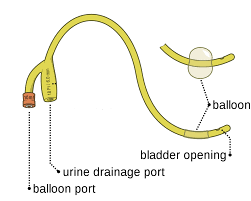
- Frequent manual drainage checks and caregiver observation.
- Blocked drainage may not be detected early in sensory dysfunction patients.
- Retention and bladder overdistension can escalate before symptoms are noticed.
- No continuous bladder-pressure visibility for long-term care.
Sensor-enabled suprapubic monitoring
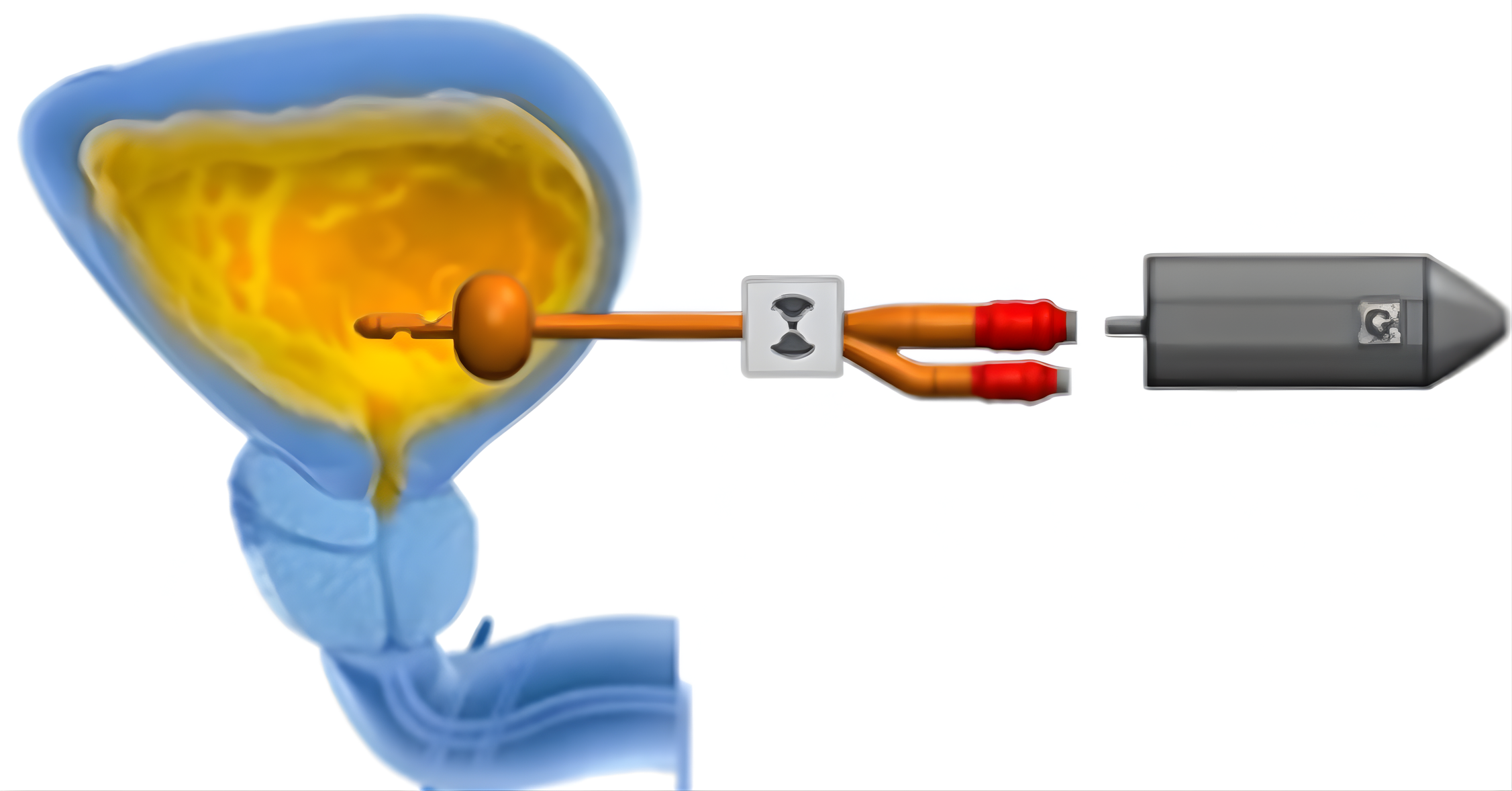
- Designed to sense bladder pressure and support pressure-aware drainage.
- Enables earlier awareness of retention or blockage risk.
- Built for neurogenic bladder, sensory dysfunction and long-term catheter patients.
- Creates a connected pathway for future monitoring and alerts.
Patent & clinical evidence
Structured placeholder for regulatory and clinical validation as the product advances.
Patent status
Patent application under process. Final prototyping and regulatory submission roadmap highlighted in the deck.
Clinical evidence space
Reserve this area for: bladder pressure validation, suprapubic catheter patient pilot, blockage/retention alert performance, home-care usability and clinical trial results.